
Online Trading in India: An Overview
Online trading in India has emerged as a popular investment avenue, enabling individuals to engage in stock markets from the comfort of their homes. The rise in internet accessibility and technological advancements have made it easier for investors to trade online. It has gained substantial traction, especially among the youth, who are increasingly interested in managing their own investments. This guide will delve into various aspects of Online Trading in India online trading in India, including the platforms available, regulatory framework, and strategies for success.
The Evolution of Online Trading in India
Online trading in India has come a long way since its inception in the late 1990s. Initially, the process was cumbersome, requiring extensive paperwork and physical presence at broker offices. However, with the advent of technology, trading platforms like Zerodha, Upstox, and Angel Broking have revolutionized the trading experience. These platforms offer user-friendly interfaces, low brokerage fees, and advanced features, making them attractive to both new and experienced traders.
Understanding the Regulatory Framework
The Securities and Exchange Board of India (SEBI) plays a crucial role in regulating the online trading landscape. SEBI has implemented various guidelines to protect investors and maintain the integrity of the securities market. Now, traders can participate in a transparent environment which actively discourages malpractices through strict regulations. The recent emphasis on investor education has also empowered traders to make informed decisions.
Popular Online Trading Platforms in India
Several online trading platforms have emerged, catering to diverse trading needs. Here are some of the most popular ones:
- Zerodha: Known for its low brokerage fees, Zerodha has revolutionized trading with its user-friendly interface and innovative tools.
- Upstox: Offers extensive educational resources and has a robust trading platform, making it ideal for beginners.
- Angel Broking: A well-established player that provides a combination of advisory services and a trading platform.
- ICICI Direct: Offers a comprehensive suite of products including mutual funds and insurance.
- 5Paisa: A budget-friendly platform that provides good research tools and investment options.
Types of Online Trading
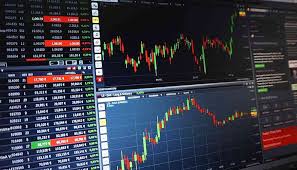
Online trading can be broadly classified into several categories, each catering to different investment strategies.
1. Equity Trading
This involves buying and selling shares of publicly traded companies. It is one of the most common forms of online trading, allowing individuals to benefit from capital appreciation and dividends.
2. Derivatives Trading
Derivatives involve trading contracts whose value is derived from an underlying asset. Options and futures are popular derivatives, providing opportunities for hedging and speculation.
3. Forex Trading
Although less popular in India due to regulatory constraints, Forex trading involves trading currencies. The rise of online brokerage platforms has made forex trading accessible to retail traders.
4. Commodity Trading
Commodity trading involves trading raw materials like gold, oil, and agricultural products. This segment has gained interest due to its ability to diversify investment portfolios.
Strategies for Successful Online Trading

While online trading offers the potential for high returns, it also involves significant risks. Here are some strategies to consider:
- Research and Analysis: Conduct thorough research before making any trading decisions. Use technical and fundamental analysis to understand market trends.
- Risk Management: Implement risk management strategies like stop-loss orders to minimize potential losses.
- Diversification: Avoid putting all your capital in a single investment. Diversifying your portfolio can help reduce risks.
- Stay Informed: Keep yourself updated with market news and economic indicators that could impact your trading decisions.
- Start Small: If you are a beginner, start with smaller investments to minimize exposure and gradually increase your trading size as you gain confidence.
The Role of Technology in Online Trading
Technology has transformed the way trading is conducted. Features like automated trading, artificial intelligence, and mobile applications have made trading more accessible and efficient. Algorithms can execute trades at lightning speeds based on predefined criteria, allowing traders to capitalize on small market movements. Additionally, mobile trading apps enable users to trade on the go, making it easier to manage investments in a fast-paced environment.
Challenges of Online Trading in India
Despite its advantages, online trading also presents several challenges:
- Market Volatility: The stock market can be unpredictable, and volatility can lead to significant losses if not managed properly.
- Lack of Experience: New investors often lack the experience needed to make sound trading decisions.
- Technical Issues: Downtime or lag in trading platforms can lead to missed opportunities.
- Security Risks: Cybersecurity threats are a growing concern as more transactions occur online.
Future of Online Trading in India
The future of online trading in India looks promising, with increasing internet penetration and a tech-savvy youth ready to embrace this investment avenue. With continued advancements in technology, including improved trading platforms and better analytical tools, online trading could become even more accessible and efficient. Additionally, as the regulatory environment evolves, it is likely that more retail investors will engage in trading, further enhancing market participation.
Conclusion
Online trading in India has opened up new avenues for investors to manage their finances actively. With the growth of various platforms, supportive regulations, and an increasing number of participants, the sector is poised for significant growth. However, potential investors should remain aware of the risks and adopt prudent strategies to ensure success in their trading endeavors. By staying informed and leveraging the right tools, anyone can navigate the complexities of online trading and work towards achieving their financial goals.